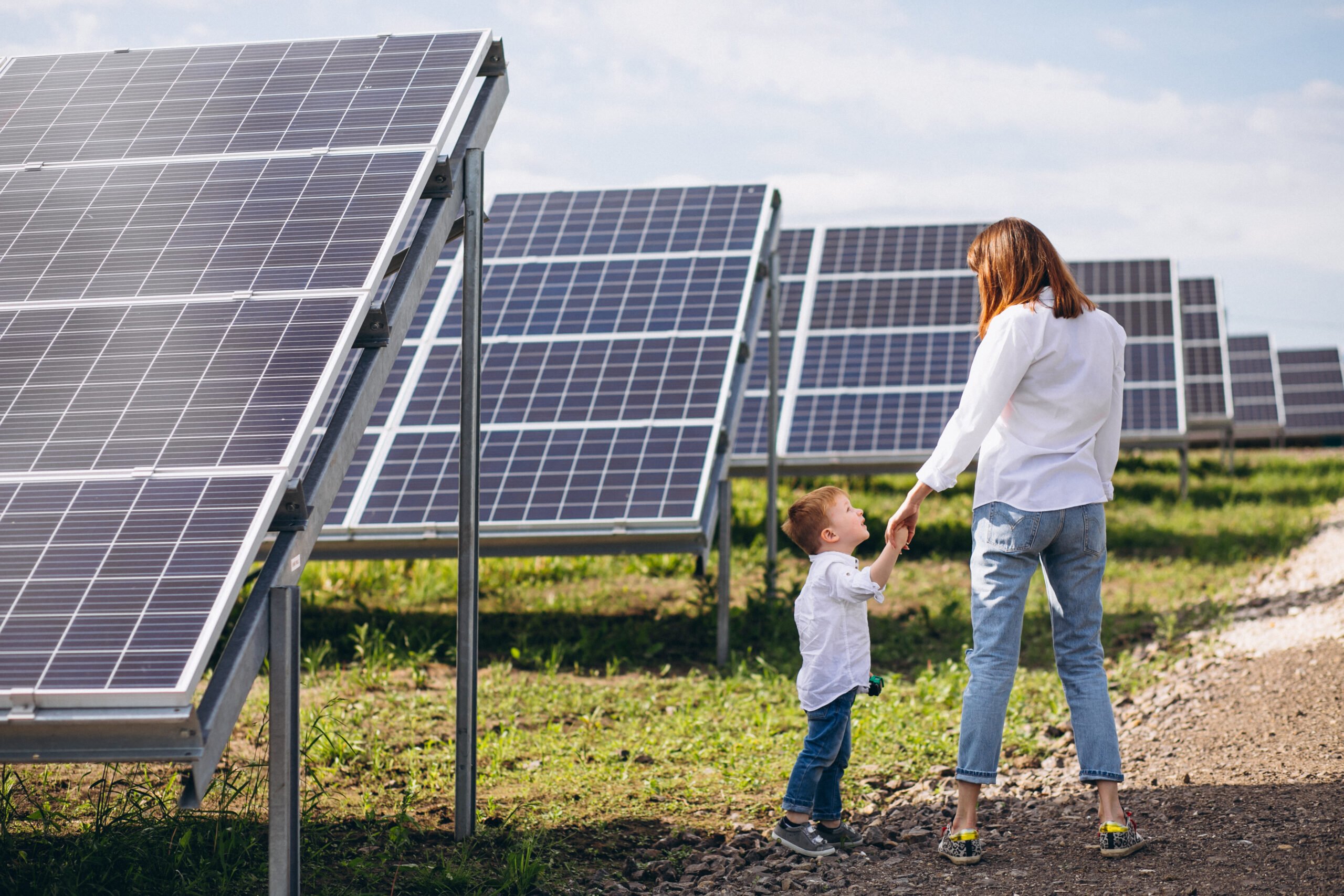
Solar panels are an incredible investment for anyone looking to switch to sustainable energy. They provide clean and renewable energy to homes and businesses, while also reducing carbon emissions and saving money in the long run. However, like any other valuable asset, solar panels are also vulnerable to theft and damage. In this blog, we will discuss some tips and best practices for securing your solar panels.
- Physical security: The first step to securing your solar panels is to install them in a secure location. A secure location would be one that is out of sight and not easily accessible. For instance, installing your panels on a rooftop or in a backyard that is not visible from the street can help deter potential thieves. In addition, it is also important to consider the height of the installation, as panels installed at a higher height are more difficult to reach.
- Anti-theft devices: Investing in anti-theft devices is a great way to secure your solar panels. One of the most common anti-theft devices for solar panels is the use of tamper-resistant bolts. These bolts have a unique design that makes it difficult for thieves to remove the panels. Additionally, installing an alarm system or a CCTV camera near your solar panels can also help deter potential thieves.
- Marking and tracking: Marking your solar panels can also help in their recovery if stolen. You can do this by engraving your contact information or other unique markings on the panels. This will make it easy to identify the panels if they are recovered. Additionally, using tracking devices can also help locate stolen solar panels.
- Insurance: Another important step in securing your solar panels is to ensure that they are insured. Solar panels are expensive and replacing them can be a significant financial burden. Having insurance coverage can help offset the cost of replacement in the event of theft or damage.
- Regular maintenance: Regular maintenance is important to ensure that your solar panels are functioning optimally. By maintaining your panels, you can identify any potential issues early on and take appropriate action to prevent theft or damage. For instance, checking for loose bolts or damaged panels can help prevent theft or damage.
In conclusion, securing your solar panels is critical to protecting your investment. By following the tips outlined in this blog, you can reduce the risk of theft and damage, and ensure that your solar panels continue to provide clean and renewable energy for years to come.